Understanding Water Damage Restoration Vancouver
When faced with the devastation of water damage, timely intervention is not just crucial; it's imperative. Water ingress can lead to significant structural impairments and health hazards, particularly in the unique climate of Vancouver, where heavy rainfall and humidity are prevalent. Residents must be aware of their options for effective Water Damage Restoration Vancouver to safeguard their homes and businesses from prolonged damage and costly repairs.
What is Water Damage Restoration?
Water damage restoration refers to the comprehensive process of cleaning, drying, and repairing properties affected by water intrusion. This can occur from various sources, including burst pipes, appliance leaks, or natural disasters. Restoration aims to restore the affected areas to their pre-damage condition while mitigating potential health risks, such as mold growth and structural compromise.
Importance of Timely Response
Time is of the essence when dealing with water damage. According to industry standards, mold can begin to develop within 24 to 48 hours after water exposure. Immediate action not only helps prevent such growth but also minimizes damage to furnishings and structural integrity. Engaging a professional water damage restoration service ensures rapid response, utilizing specialized equipment and techniques to facilitate effective water extraction and thorough drying.
Common Causes of Water Damage in Vancouver Homes
Vancouver's climate and infrastructure present several potential risks for water damage:
- Burst Pipes: Sudden pipe failures can release substantial amounts of water, leading to rapid flooding.
- Appliance Leaks: Dishwashers, washing machines, and water heaters are common culprits of slow leaks that can go unnoticed until damage occurs.
- Flooding: Heavy rainstorms, particularly in the fall and winter months, can overwhelm drainage systems and lead to flooding.
- Roof Leaks: Aging roofs can develop leaks that allow water entry, especially during heavy rainfall.
- Basement Flooding: Increased groundwater levels can lead to water seeping into basements, particularly in vulnerable areas.
Identifying Early Signs of Water Damage
Recognizing the early signs of water damage can save homeowners significant costs and prevent extensive repairs. Understanding the indicators is essential for timely restoration.
Top Indicators of Water Damage
Some common indicators that water damage may be present include:
- Discoloration: Yellow or dark stains on walls or ceilings often indicate water intrusion.
- Peeling Paint or Wallpaper: This can suggest trapped moisture behind surfaces.
- Musty Odors: Unpleasant smells can be a sign of mold or mildew growth due to hidden moisture.
- Warped Flooring: Buckling laminate or hardwood floors can indicate water damage underneath.
How to Assess Damage Yourself
Homeowners can perform a preliminary assessment by checking for visible signs of water entry, inspecting basements after heavy rains, and feeling for damp spots on walls and ceilings. It's also advisable to check appliances and plumbing for leaks regularly. If any signs are detected, contacting a professional is necessary to assess the full extent of the damage.
When to Call a Professional
If you discover persistent wetness, discoloration, or any structural concerns, it’s time to call professionals. An experienced water damage restoration team can provide a thorough inspection and recommend the appropriate restoration measures to prevent further issues.
The Water Damage Restoration Process
The restoration process includes several key steps designed to eliminate water and restore the integrity of the property. Understanding the sequence can help homeowners know what to expect during the restoration.
Initial Response and Assessment
Upon contacting a restoration service, a trained technician will perform an immediate assessment to identify the source of the water damage and evaluate the extent of the impact. This step is crucial for developing a targeted restoration plan.
Water Extraction and Drying Techniques
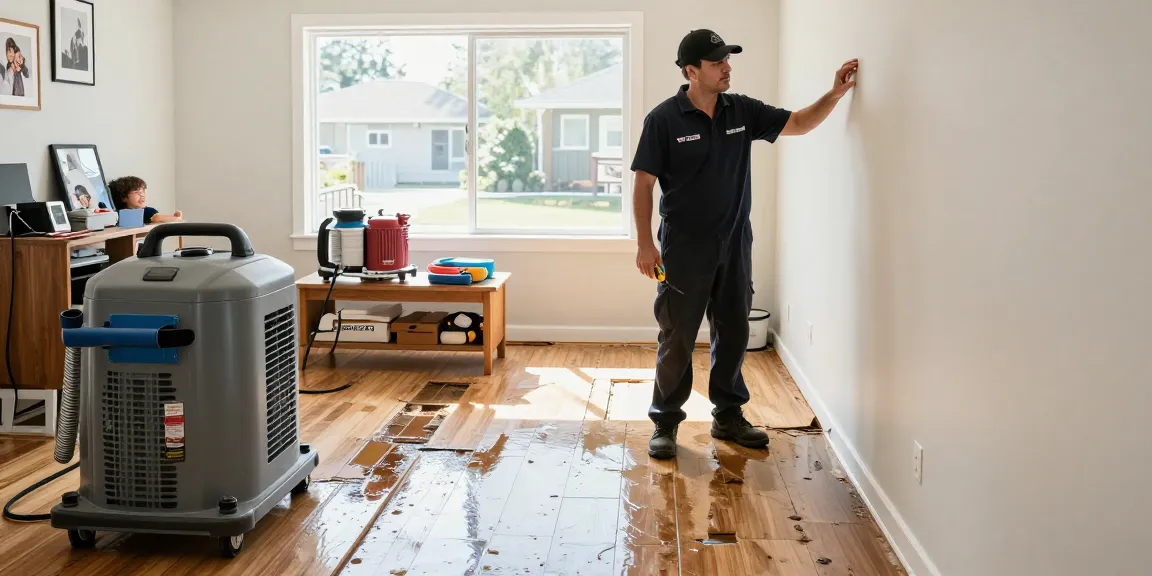
Following assessment, professionals will implement water extraction using industrial-grade pumps and vacuums to remove standing water. Once the initial water is extracted, drying equipment such as air movers and dehumidifiers are employed to eliminate moisture from surfaces, ensuring thorough drying that prevents mold growth.
Mold Prevention and Remediation Strategies
After the drying process, it's essential to address any potential mold issues. This may involve cleaning and sanitizing affected areas, applying anti-microbial treatments, and closely monitoring for any signs of mold growth. An IICRC-certified team specializes in these strategies to ensure a safe environment.
Choosing the Right Water Damage Restoration Service
Selecting a competent restoration service is key to a successful outcome. Here are several factors to consider when making your choice:
What to Look for in a Restoration Company
- Certifications: Ensure the company is certified by the Institute of Inspection, Cleaning, and Restoration Certification (IICRC). This guarantees professionalism and adherence to industry standards.
- Experience: Look for a company with a proven track record in water damage restoration.
- Reviews: Customer feedback can provide insights into the company's reliability and service quality.
- 24/7 Availability: A true emergency service should be available around the clock.
Benefits of IICRC-Certified Technicians
IICRC certification signifies that technicians have received extensive training in water damage restoration practices. They are knowledgeable about the latest techniques, equipment, and industry best practices, which directly contributes to effective restoration outcomes.
Understanding Cost and Insurance Claims
Water damage restoration costs can vary widely based on the extent of the damage and the services required. It’s wise to consult your insurance policy to understand coverage options. A reputable restoration company can assist in navigating the claims process by providing necessary documentation and assessments to expedite claims approval.
Future Trends in Water Damage Restoration
The future of water damage restoration is poised for exciting advancements given the increasing frequency of extreme weather events and the growing demand for sustainable practices.
Emerging Technologies in Restoration
New technologies, from advanced moisture detectors to AI-driven drying equipment, are changing the landscape of water damage restoration. These innovations improve accuracy in assessing damage and increase the efficiency of the restoration process.
Eco-Friendly Restoration Practices
Environmental consciousness is impacting restoration practices. Companies are increasingly adopting eco-friendly materials and methods, ensuring that restoration efforts are sustainable and minimize environmental impact.
Expectations for Water Damage Restoration in 2026
As technology and techniques evolve, the restoration process will likely become faster, more efficient, and more environmentally friendly. Clients can expect greater transparency in pricing and timelines, alongside improved support in managing insurance claims and post-restoration care.
What is the average cost of water damage restoration in Vancouver?
The cost can range from a few hundred to several thousand dollars, depending on the severity of the damage. Factors influencing cost include the size of the affected area, the extent of damage, and the type of materials impacted.
How long does the water damage restoration process take?
Restoration duration varies based on damage severity and environmental conditions. A typical restoration might last anywhere from a few days to several weeks, with water extraction often being completed within hours followed by drying and repairs.
Can all water-damaged materials be restored?
While many materials can be effectively restored, some items, particularly porous materials that have absorbed significant water or contaminated water, may need to be replaced. A professional assessment will determine the best course of action for each situation.
What should I do immediately after experiencing water damage?
First, ensure safety by turning off electricity and gas in the affected area. Then, contact a professional restoration service to assess the damage and begin the cleanup process as soon as possible to prevent further issues.
What insurance coverage is available for water damage restoration?
Coverage often depends on the cause of the damage. Standard homeowners' insurance policies may cover damage from burst pipes or storms, while damage caused by neglect or flooding may not be covered. It's crucial to review your policy and discuss with your insurer.