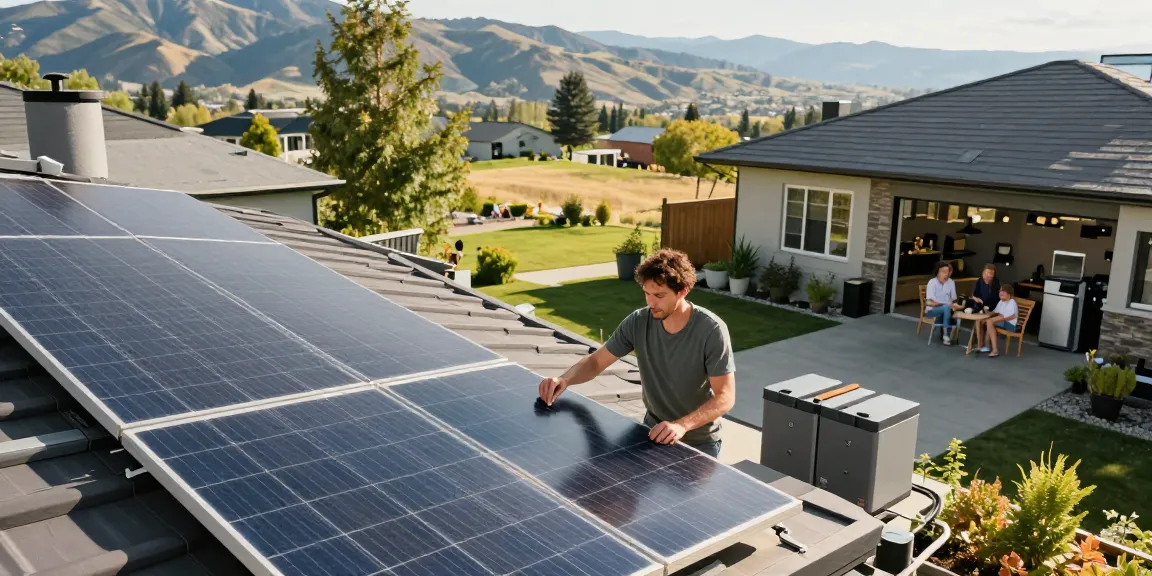
Understanding Backup Power Systems
Backup power systems have become increasingly essential for homeowners, particularly in regions like Kelowna, where power outages can occur due to adverse weather conditions. These systems offer peace of mind and ensure that daily activities continue uninterrupted. In this article, we’ll explore what backup power for home systems entails, how they work within the Okanagan’s unique climate, and the various benefits they provide.
What is Backup Power for Home Systems?
Backup power systems are designed to supply electricity when the primary power source is disrupted. These systems can vary widely in scale and technology, ranging from simple generator setups to sophisticated solar energy systems paired with battery storage. For many homeowners, choosing the right backup power solution becomes crucial, especially in places like Kelowna, where seasonal storms can lead to unexpected outages.
How Backup Power Works in Kelowna’s Climate
Kelowna experiences a diverse climate with cold winters and warm summers. Backup power systems in this region often rely on renewable energy sources such as solar power, which is especially viable given the sunny summers. When the sun shines, solar panels generate electricity, and in many installations, this energy can be stored in batteries for later use during power outages. In contrast, during winter months, where solar generation might be lower, homeowners can rely on traditional generators to ensure their energy needs are met.
Benefits of Having Backup Power at Home
Opting for a backup power system offers multiple benefits, particularly for residents in Kelowna. These systems provide reliable energy during emergencies, reduce reliance on grid power, and can even lead to long-term cost savings. Additionally, backup power for home Kelowna solutions may increase property value, as potential buyers often see the presence of a backup system as an attractive feature that enhances safety and convenience.
Choosing the Right Backup Power Solution
Selecting the most appropriate backup power solution for your home isn’t a decision to take lightly. Various options are available, and understanding each can help you make an informed choice tailored to your needs.
Types of Backup Power Options Available
- Generators: Portable or standby generators are common choices. They can provide power quickly but may require fuel and regular maintenance.
- Solar Battery Systems: These systems capture solar energy and store it for use during outages, providing an independent and eco-friendly power source.
- Hybrid Systems: Combining solar power with conventional generators, hybrid systems offer flexibility and security, ensuring that your energy needs are always met.
Factors to Consider When Selecting Backup Power
When choosing a backup power system, consider the following factors:
- Power Needs: Assess your home’s energy consumption to determine the power output required from your backup system.
- Budget: How much are you willing to invest? Remember to account for installation and maintenance costs.
- Space: Ensure you have adequate space for your chosen backup system, especially for larger generators.
- Durability: Choose a system that can withstand Kelowna’s weather extremes and provide long-term service.
Comparing Costs of Different Backup Systems
Understanding the costs associated with various backup power systems is crucial for budget planning. Here’s a brief overview:
- Generators: Costs can range from $500 for a portable unit to several thousand for a whole-house generator.
- Solar Battery Systems: While initial investment might be high (up to $20,000), they can offer significant savings in the long run through reduced energy bills.
- Hybrid Systems: These can be pricey due to their complexity but offer the flexibility of multiple energy sources.
Installation Process for Backup Power Systems
The process of installing a backup power system involves several significant steps to ensure it functions safely and efficiently. Understanding these steps will help you prepare for a seamless transition to having backup power.
Steps for Installing Backup Power in Your Home
- Consultation: Discuss your energy needs with a professional to determine the best system for your home.
- Site Assessment: A technician will evaluate your property for installation requirements.
- Permitting: Obtain necessary permits, which vary by local regulations.
- Installation: Professional installation ensures compliance with safety standards.
- Testing: After installation, the system should be tested to confirm that it operates correctly.
Permits and Regulations in Kelowna
Before installing any backup power system, it’s essential to understand local regulations and obtain the necessary permits. In Kelowna, homeowners are often required to obtain a building permit for backup power installations. This process ensures compliance with electrical codes and safety standards. Consulting a local installer can simplify navigating these regulations.
Choosing a Professional Installer vs. DIY
While DIY installations may seem like a cost-effective option, the complexity and safety considerations of backup power systems often warrant hiring a professional. Licensed installers have the expertise to ensure compliance with local regulations, perform safe installations, and provide ongoing maintenance support.
Maintenance and Monitoring of Backup Power Systems
Routine maintenance is vital for the reliability and longevity of your backup power system. Understanding how to monitor and maintain your system can help ensure it functions well when needed.
Routine Maintenance Tips for Home Systems
- Regular Inspections: Inspect your system monthly to check for any visible damage or wear.
- Battery Maintenance: If using a battery system, keep the batteries charged and check connections for corrosion.
- Generator Maintenance: Follow the manufacturer’s guidelines for oil changes and air filter replacements.
How to Monitor Performance Remotely
Many backup power systems now come equipped with monitoring technology that allows homeowners to track performance remotely via a smartphone app or web interface. This feature is crucial for quickly identifying issues and ensuring that the system operates optimally.
Common Issues and Troubleshooting Tips
Even the best systems can encounter issues. Common problems include:
- Battery Failure: Watch for signs of decreased performance and replace batteries every few years, according to the manufacturer’s recommendations.
- Generator Fuel Issues: Ensure your generator has adequate fuel and that the fuel is fresh.
If you encounter issues, consult the manufacturer’s troubleshooting guide or contact a professional technician.
The Future of Backup Power in Kelowna
As technology evolves, the future of backup power systems looks promising, especially in the context of renewable energy. Let’s explore some anticipated advancements and trends that may shape the landscape of backup power in Kelowna.
Innovations in Backup Power Technology by 2026
New technologies are continually emerging. Innovations such as smart grid integrations and advancements in battery storage efficiency promise to make backup power systems more reliable and user-friendly. Homeowners can expect better efficiency and lower costs as these technologies become more mainstream.
Impact of Renewable Energy on Backup Power Trends
The integration of renewable energy sources in backup power systems is a significant trend. With solar energy becoming more affordable, homeowners may increasingly opt for solar battery systems that store energy during the day for use during outages. This shift not only enhances energy independence but also aligns with environmental sustainability goals.
Preparing for Potential Power Outages
Residents in Kelowna should take proactive steps to prepare for potential power outages. Regularly testing your backup power system, maintaining a supply of essential items, and staying informed about weather advisories can enhance your preparedness and peace of mind.
What are the benefits of backup power for homes?
Backup power systems provide homeowners with security, reliability, and peace of mind during unexpected power outages. They can maintain essential appliances, ensuring comfort and safety in your home.
How does weather affect backup power performance?
Extreme weather conditions can impact the performance of backup power systems. Snow or ice accumulation can obstruct solar panels, while generators may struggle in freezing temperatures without proper maintenance. Thus, understanding your system’s vulnerabilities is key to effective operation.
Are there government incentives for installing backup power systems?
Yes, various government incentives may be available for installing backup power systems, especially those utilizing renewable energy sources like solar. Research local and federal programs that can help offset initial installation costs.
What maintenance is required for backup power systems?
Regular maintenance involves inspecting components, ensuring fuel availability, and replacing worn parts. It is advisable to follow the manufacturer’s maintenance schedule to keep your system in optimal condition.
How can backup power systems enhance property value?
Having a reliable backup power system can increase your property’s value, as many buyers view these solutions as essential for modern living, especially in areas susceptible to outages.