Understanding Metal Roof Installation
Metal roofing has emerged as a top choice for homeowners looking for durability, sustainability, and aesthetic appeal. As we move into 2026, understanding the nuances of metal roof installation has never been more essential. With a growing number of options and technologies available, ensuring quality and efficiency during installation is paramount. When exploring options, metal roof installation contractors offer comprehensive insights to guide homeowners through the process, from selection to maintenance.
What is Metal Roofing?
Metal roofing refers to a roofing system made from metal pieces or tiles characterized by longevity, sustainability, and resistance to weather conditions. Common materials include steel, aluminum, copper, and zinc. Metal roofs can be used on both commercial and residential buildings, providing an excellent alternative to traditional roofing materials like asphalt shingles or wood.
Advantages of Metal Roofs for Homeowners
- Durability: Metal roofs can last 40-70 years, depending on the material. They withstand extreme weather conditions, including heavy rain, snow, hail, and high winds.
- Energy Efficiency: Metal materials reflect solar radiant heat, which can reduce cooling costs by 10-25% compared to traditional roofing systems.
- Environmentally Friendly: Many metal roofs are made from recycled materials and are 100% recyclable at the end of their life cycle, making them a sustainable choice for homeowners.
- Variety of Styles: Available in various colors and styles, metal roofing can enhance the aesthetic appeal of any home, complementing both modern and traditional designs.
Common Misconceptions about Metal Roofing Systems
Despite their many advantages, metal roofs are often mired in misconceptions. Some believe that they are noisy during rain, but with proper insulation, this can be effectively mitigated. Others worry about rust, but modern metal roofs are coated with protective materials that prevent corrosion. Additionally, the initial installation costs can be higher than asphalt shingles; however, the long-term savings on repairs and energy bills typically offset the upfront investment.
Choosing the Right Metal Roof Installation Contractors
Choosing the right contractor for metal roof installation is critical to ensuring quality work and long-lasting results. Not all contractors possess the same skills or knowledge about the unique demands of metal roofing, making it essential to perform due diligence.
How to Assess Contractor Credentials and Experience
When selecting a metal roof contractor, begin by checking their licenses, insurance, and certifications. A reputable contractor should hold a valid license and comprehensive liability insurance. Additionally, consider their experience with metal roofs specifically, as this material often requires specialized knowledge and techniques. Look for contractors who have been in the business for several years, have positive customer reviews, and maintain a strong standing with professional associations.
Questions to Ask Potential Metal Roof Contractors
During the selection process, asking the right questions can help you gauge a contractor's expertise. Consider inquiring about:
- What types of metal roofing do you specialize in?
- Can you provide references from previous clients?
- What is your process for handling weather delays?
- Do you offer warranties on both materials and labor?
Evaluating Contractor Quotes and Pricing
When comparing quotes, ensure that all estimates are based on the same specifications to make a fair comparison. Factors to consider include material quality, labor costs, and the timeline for completion. Remember, the lowest bid may not always be the best choice; consider the reputation, experience, and materials offered by each contractor.
Best Practices in Metal Roof Installation
Successful metal roof installation requires careful planning and execution. Adhering to best practices can prevent costly mistakes and ensure long-term satisfaction.
Preparation Steps Before Installation
Before installation begins, it's essential to prepare adequately. This includes inspecting the current roof structure for any necessary repairs, ensuring proper ventilation to minimize condensation, and selecting the right materials that complement both the design and climate of your area.
Key Installation Techniques for Durability
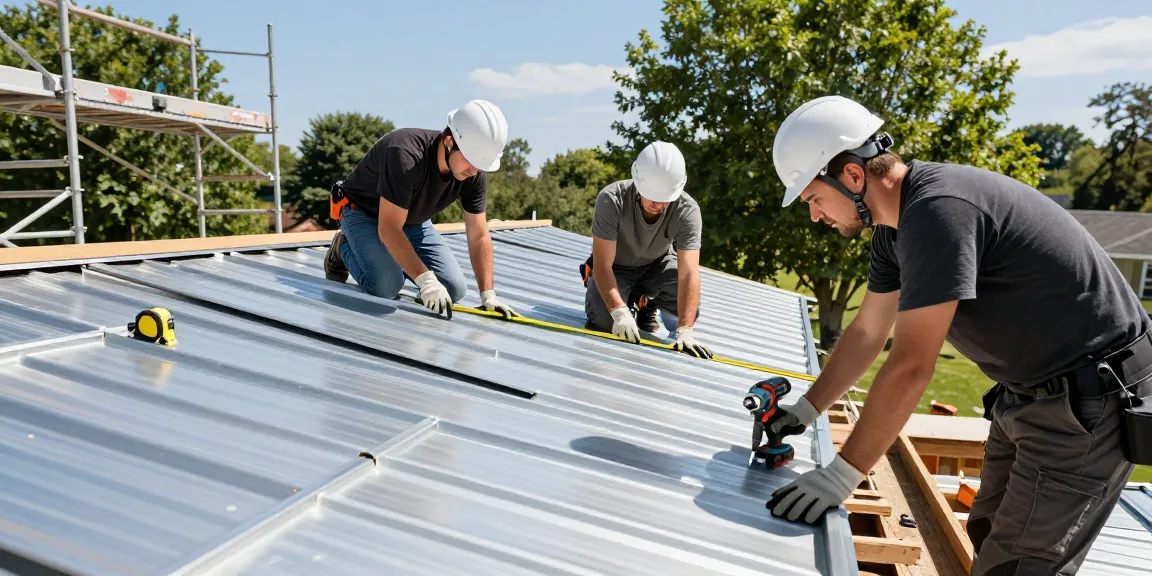
Proper installation techniques are crucial for the longevity of metal roofs. This includes using the right fasteners and ensuring they are installed at the correct intervals. Additionally, it is vital to allow for thermal expansion, which can be achieved through the use of floating clips that enable the metal panels to move freely without buckling.
Ensuring Compliance with Local Building Codes
Local building codes dictate many aspects of roofing installations, including materials, installation techniques, and safety standards. Be sure to verify that your contractor is familiar with and adheres to these regulations, as non-compliance can result in fines and complications during property sales.
Innovative Technologies in Metal Roofing
The roofing industry is continuously evolving, especially with advancements in technology that improve the functionality and aesthetic appeal of metal roofs.
Emerging Materials and Their Benefits in 2026
New materials are emerging in the metal roofing market, such as composite metal shingles designed to mimic traditional roofing materials while providing the benefits of metal. These products combine aesthetics with durability and energy efficiency, making them increasingly popular among homeowners.
How Technology is Enhancing Roof Installation Efficiency
Technology plays a vital role in enhancing installation processes. Drones are increasingly used for site inspections and project monitoring, providing contractors with real-time data and imagery. Furthermore, computer-aided design (CAD) software allows for accurate modeling and planning, minimizing mistakes and ensuring a smooth installation process.
Future Trends for Environmentally Friendly Roof Options
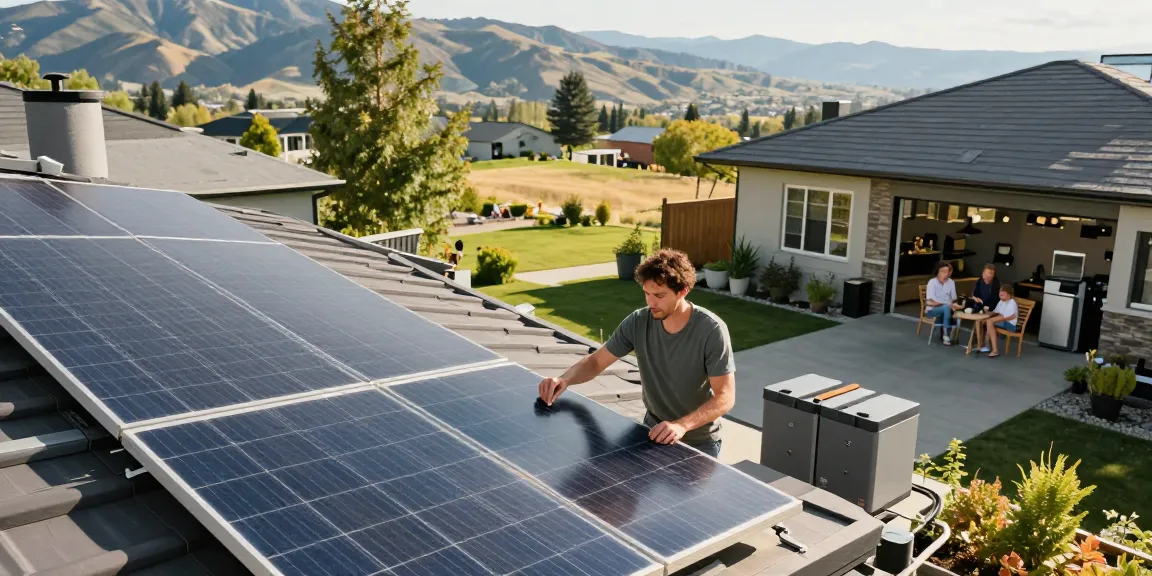
As sustainability becomes a top priority in construction and renovation, future metal roofing options are likely to incorporate even more eco-friendly practices. This includes using solar-reflective coatings to further enhance energy efficiency and integrating solar panels into the roofing design itself, creating dual-function roofs that produce energy while protecting homes.
Measuring Success in Metal Roof Projects
Establishing metrics for success can help both homeowners and contractors ensure that metal roofing projects meet expectations and provide value.
Key Performance Indicators for Roofing Contractors
Monitoring performance indicators such as project completion time, customer satisfaction, and warranty claims can indicate the efficiency and effectiveness of the contractor's work. Regular assessments can also highlight any areas for improvement.
Maintaining Quality After Installation: Tips and Techniques
Post-installation, homeowners should conduct routine inspections to check for loose seams, fasteners, or damage caused by harsh weather. Regular maintenance, such as cleaning gutters and removing debris, helps prolong the life of the roof.
How to Handle Post-Installation Issues Effectively
In the event of post-installation issues, addressing them promptly is key. Homeowners should contact their contractors first to discuss any concerns. Most reputable contractors will address issues covered under warranty without hesitation, ensuring customer satisfaction.
What are the costs associated with metal roof installation?
Costs for metal roof installation vary widely based on materials, roof size, and regional labor rates. On average, homeowners can expect to pay between $5 to $12 per square foot. While the initial investment is higher than traditional roofing, the durability and energy efficiency of metal roofs often result in lower lifetime costs.
How long does a metal roof installation take?
The timeline for metal roof installation depends on factors such as roof size, complexity, and weather conditions. Typically, installations can take anywhere from a few days to a couple of weeks, allowing for proper preparation and material acclimation.
What maintenance is required for metal roofs?
Metal roofs require minimal maintenance compared to traditional roofing materials. Regular inspections, debris removal, and gutter cleaning are usually sufficient. Homeowners should also check for signs of rust or damage, particularly around fasteners and seams.
Are there specific warranties for metal roofs?
Most metal roofing manufacturers offer warranties that cover defects in materials and workmanship. Warranties can range from 20 to 50 years, depending on the material and manufacturer. It's crucial to review the warranty details carefully to understand coverage and exclusions.
How can I find reliable metal roof installation contractors?
Finding reliable metal roof installation contractors involves researching local options, reviewing online ratings, and asking for recommendations from friends or family. Interviewing potential contractors and checking their credentials will further assist in making an informed decision.